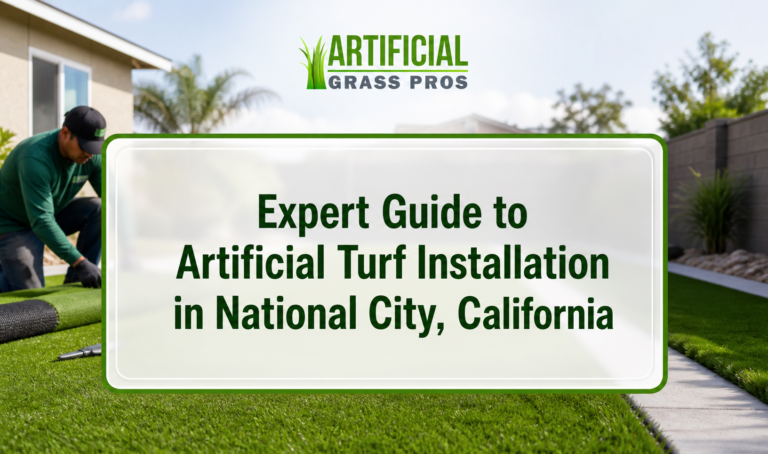
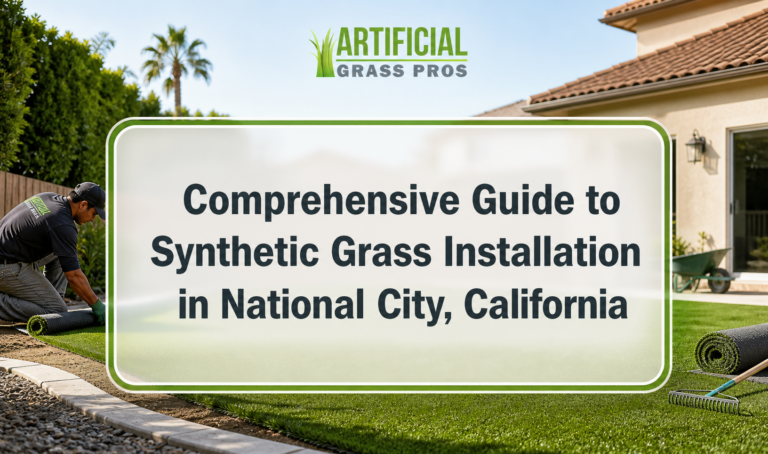
How To Install Artificial Grass With Minimal Mud And Mess In National City?
 Artificial grass has gained immense popularity in recent years for its low maintenance and lush appearance. One of the main reasons people opt for artificial turf is to avoid the mud and mess associated with natural grass, especially during rainy seasons. However, the installation process can sometimes lead to unwanted mess and mud. To help you avoid these issues, here are five tips for installing artificial grass with minimal mud and mess.
- The first step to a clean artificial grass installation is thorough site preparation. Begin by removing any existing grass, weeds, or debris from the area where you plan to install the artificial turf. Use a shovel or sod cutter to remove the top layer of soil to create a smooth and even surface. Next, ensure proper drainage by creating a slight slope away from your house or any structures. Adequate drainage will prevent water from pooling and causing mud issues.
- Weed growth is a common issue that can lead to mud and mess if not addressed during artificial grass installation. To prevent weeds from pushing through your artificial turf, install a high-quality weed barrier fabric. Lay the fabric evenly over the prepared area, overlapping the edges so there are no gaps. This barrier helps prevent weeds and, because it is permeable, lets water pass through to the ground below.
- A stable and well-compacted base is crucial to a mess-free artificial grass installation. After you’ve laid the weed barrier fabric, spread a layer of crushed stone or decomposed granite evenly across the area. Use a compactor to compress the base material, creating a firm and stable surface. A stable base will prevent uneven settling and minimize mud problems in the future.
- Infill is an essential component of artificial grass installations, as it provides stability, resilience, and support for the blades. However, not all infill materials are created equal when it comes to minimizing mess. Choose an infill material like silica sand or rounded quartz that drains well and doesn’t become muddy when wet. Properly distributing the infill and brushing it into the turf fibers will help maintain a clean and mud-free surface.
- While DIY installation is an option, hiring a professional can significantly reduce the chances of mud and mess during the artificial grass installation process. Experienced installers have the knowledge and equipment to ensure proper site preparation, weed barrier installation, base compaction, and infill distribution. They can also provide guidance on drainage solutions and proper turf installation techniques, ensuring a clean and mud-free result.
For more on this, read about how an artificial grass lawn is installed.
FAQs
Can Artificial Grass Become Muddy Like Natural Grass?
Artificial grass itself does not become muddy, but poor installation or inadequate drainage can lead to mud issues. Proper site preparation, weed barriers, and the right infill materials can help prevent mud problems.
How Often Do I Need To Replace The Infill Material In My Artificial Grass?
The frequency of infill replacement depends on factors such as usage and weather conditions. Infill may need periodic replenishment depending on use and site conditions. Check high-traffic areas and top it up where it looks thin.
Can I Install Artificial Grass On A Slope Without Mud Problems?
Yes, you can install artificial grass on a slope, but proper drainage is crucial to avoid mud issues. Ensure the slope is designed to allow water to run off effectively, and use appropriate drainage solutions to prevent water from pooling.
Conclusion
Installing artificial grass with minimal mud and mess is achievable with the right preparation and techniques. Proper site preparation, a quality weed barrier, a stable base, the right infill material, and professional installation are key factors to consider. By following these tips and investing in a clean installation process, you can enjoy the benefits of artificial grass without the hassle of mud and mess, even in challenging weather conditions. For more information, contact Artificial Grass Installation Pros at (619) 503-3536.