Artificial Grass And The Environment In Commercial Spaces In National City
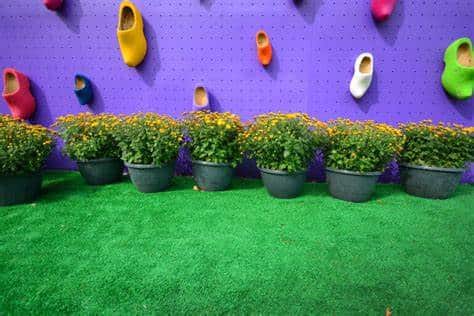 Artificial grass can make commercial spaces greener to run in a few specific ways: it needs no irrigation to stay green, no fertilizer or pesticide, and no mowing. It is also a manufactured product that is not a wildlife habitat and will eventually need replacing, so the full picture has trade-offs. Here are five environmental reasons businesses consider it, and what each one means in practice.
- The main environmental benefit of artificial grass is water. Natural grass needs regular watering to stay green, especially in dry, sunny climates. Artificial grass needs no irrigation to stay green; it only needs an occasional rinse to clear dust or clean up spills. For a business, that means lower water use and lower water bills for the turf areas.
- Natural lawns are usually kept green with fertilizers, and weeds and pests are often treated with herbicides and pesticides. Artificial grass needs no fertilizer, and a weed barrier underneath keeps most weeds down, so turf areas need far fewer lawn chemicals. Occasional spot weed control at edges and seams may still be needed.
- Artificial grass does not need mowing or edging, so the turf areas no longer need gas-powered lawn equipment running on a weekly schedule. Making the turf, and eventually replacing it, also has an environmental cost, so the overall footprint depends on the product and how long it lasts.
- Artificial grass can replace lawn areas without removing existing trees, shrubs or planting beds. It is not a habitat for wildlife itself, so businesses that want to support local biodiversity can keep or add planted areas alongside it.
- Artificial grass is designed to be durable, though its lifespan depends on the product, installation, use and maintenance. A well-maintained installation needs replacing less often, which reduces waste. Natural grass, in contrast, can require frequent reseeding, re-sodding, or complete replacement due to wear and tear or adverse weather conditions.
You may also want to read about artificial grass at healthcare facilities. Also worth reading: artificial grass for event spaces.
FAQs
Is Artificial Grass Safe For The Environment?
Artificial grass can offer environmental benefits for commercial spaces. It conserves water and reduces chemical usage compared to natural grass.
How Long Does Artificial Grass Last In Commercial Spaces?
In commercial spaces, its lifespan depends on the product, installation quality, foot traffic, maintenance and site conditions.
Can Artificial Grass Support Local Wildlife?
Artificial grass is not a wildlife habitat, but it can be installed alongside existing trees, shrubs and planted areas.
Conclusion
For commercial spaces, the clearest environmental benefits of artificial grass are lower water use, fewer lawn chemicals and no weekly mowing. Weigh those against the fact that it is a manufactured product with a finite lifespan. For more information, contact Artificial Grass Installation Pros at (619) 503-3536.